大都会
1,500-year-old glazed pottery reveals Eurasian cultural exchanges in ancient northern China_我的网站

一 | 由你来说:《GTA6》疑似将多条世界级传奇赛道元素融入游戏,这是不是意味着R星开始更加重视汽车文化与赛车内容了?你觉得这次的赛车系统能否成为游戏的一大亮点?近日,有网友发布视频,对《GTA 6》泄露地图中出现的一座疑似专业赛车场进行了详细分析,引发玩家关注。根据分析,这座赛道位于游戏虚构的雷奥尼达州西海岸南部Port Gellhorn地区,从规模和复杂程度来看,可能是目前泄露地图中规模最大的专业赛车场之一。 与游戏中常见的小型泥地椭圆赛道或越野赛道不同,这座赛道整体依山而建,高低落差据分析约为80米,赛道采用顺时针布局,并拥有较为完整的起终点、维修区以及高速弯道等专业赛车场设施。
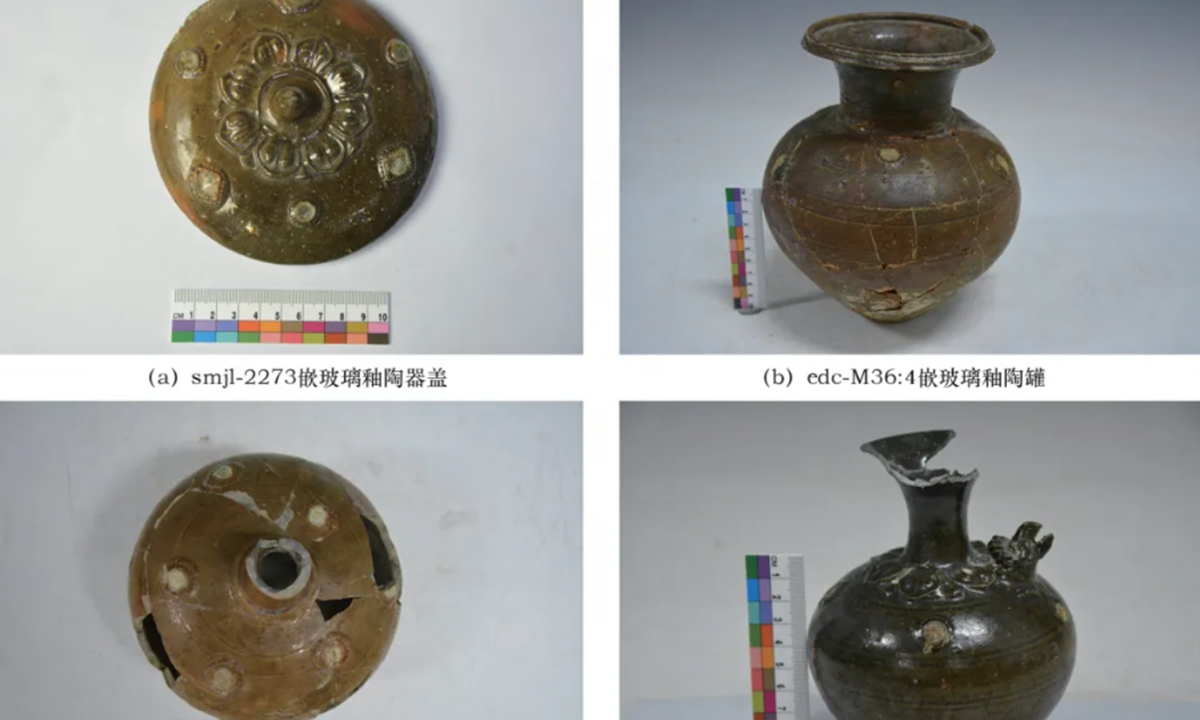
Samples of glazed pottery embedded with glass excavated from Northern Wei tombs in Pingcheng Photo: Courtesy of Shanxi Provincial Institute of ArchaeologyRare glass-inlaid glazed pottery artifacts unearthed from ancient tombs in Northwest China's Shanxi Province have provided new evidence of extensive cultural and trade exchanges between ancient China and other regions more than 1,500 years ago, according to a press release that the Shanxi Provincial Institute of Archaeology sent to the Global Times on Tuesday.
Systematic analysis conducted by the institute of pottery wares dating back to the Pingcheng period of the Northern Wei Dynasty (386-534) has identified distinct foreign cultural and technological elements embedded in the craftsmanship and material composition of the unique artifacts, shedding fresh light on ancient Eurasian cultural integration.
Established by the Tuoba Xianbei ethnic group, the Northern Wei Dynasty designated Pingcheng, present-day Datong city in Shanxi Province, as its capital from 398 to 494. For nearly a century, the city served as a pivotal multicultural hub where Xianbei nomadic culture, Central Plains Han culture and diverse Western Regions civilizations converged and interacted, according to a report on Chinanews.com.cn.
Archaeological excavations at multiple tomb clusters in Pingcheng, including the Dongxin Northern Wei cemetery and the Qilicun cemetery, have yielded a total of eight pieces of glass-inlaid glazed pottery. Though far fewer in number compared with common glazed pottery figurines and painted glazed wares, these artifacts feature an extremely rare inlay technique unseen elsewhere in the developmental history of Chinese ceramics, according to the press release.
Given the exceptional rarity and good preservation of the relics, researchers selected four representative pieces for comprehensive laboratory testing and material analysis. The results show that the glass inlays are primarily soda-alumina glass, most likely produced by remelting trade beads from the Indian Ocean and Pacific regions, a key commodity in ancient maritime and overland trade networks.
The findings confirm that Pingcheng maintained frequent cross-border trade and cultural communication during the Northern Wei era, with access to glass raw materials sourced from diverse overseas regions. The varied compositional characteristics of the inlaid glass provide crucial clues for studying ancient glass-making technologies, raw material circulation and long-distance trade routes in ancient East Asia, the press release noted.
Beyond material composition, the artifacts also embody prominent cross-cultural innovation in design. Their decorative motifs draw heavily on gem-encrusted gold and silver wares of the Sasanian Persian Empire, while integrating artistic elements from other Eurasian regions. The blended design styles reflect the era's prevailing trend of multicultural fusion and creative assimilation of foreign civilizations.
Archaeologists noted that the glass-inlaid glazed pottery represents an innovative technological achievement crafted by Northern Wei artisans who absorbed and refined foreign techniques and aesthetics. The distinctive craftsmanship and stylistic features of these wares exerted a far-reaching influence on ceramic production in surrounding regions and subsequent dynasties, marking a vital chapter in the evolution of ancient Chinese ceramic art.
The research underscores that ancient China's northern borderland was not an isolated cultural enclave, but an active node in Eurasian cultural and trade exchanges, where foreign elements were localized and innovated to form unique regional civilizational achievements, archaeologists from the Shanxi Provincial Institute of Archaeology said.
。有意思的是,赛道部分区域疑似参考了现实中的锡布灵国际赛道(Sebring International Raceway)。例如起终点、维修区以及最后一组弯道的布局,都被认为与这座位于美国佛罗里达州的知名赛道存在相似之处。但更让赛车爱好者兴奋的是,这座虚拟赛道似乎并非简单复刻某一条现实赛道,而是融合了多条世界级传奇赛道的设计元素。根据视频作者的比对,其中疑似可以找到包括勒芒、纽博格林、蒙扎国家赛车场以及拉古纳塞卡等著名赛道的弯道设计和布局特征。如果相关分析最终得到证实,《GTA 6》或许是在游戏中打造了一条“世界传奇赛道混合版”。 据了解,这些分析主要基于目前公开流出的《GTA 6》地图以及高度图数据。

二 | 作者通过描摹泄露地图中的赛道轮廓,再与现实赛道的卫星图、弯道形态及高低差进行叠加比对,从而寻找可能存在的对应关系。

三 | 这一分析也迅速引发赛车玩家讨论。有网友认为,“纽博格林卡鲁塞尔接着拉古纳塞卡的螺旋弯,太疯狂了”;还有玩家直言,这样的赛道设计如果最终进入游戏,可能会比前作的赛车内容丰富得多,并希望多人模式能够充分利用这类专业赛道。同时期待《GTA 6》能够进一步强化汽车文化、赛车内容以及驾驶物理表现。需要注意的是,目前上述内容均基于《GTA 6》泄露地图和相关数据的玩家分析,并非Rockstar官方公布的信息。

四 | 赛道的实际用途、最终布局以及是否会完整保留,仍需等待官方后续消息确认。 本文由游民星空制作发布,未经允许禁止转载。

五 | 更多相关资讯请关注:GTA6专区。
Current article:http://qli.roubutianquegumaigoubingdian.cyou/rw4g/iqkevu2.html
Published on:13:57:23


